Smart Digital SolutionsWestpac · 2022 · 5 min read
Connecting customers to the right banker the first time
Customer callback time fell from two days to half a day. Banker lead triage from three days to half a day.
Role card
- Project
- Smart Digital Solutions
- Role
- Lead designer
- Stage
- Senior
- Organisation
- Westpac
- Sector
- Banking
- Duration
- 2022
- Themes
- Designing the whole service, not the interface; Shaping decisions, not just solutions
In sixty seconds
Situation
Online enquiries were routed by product, not customer need. Customers waited two days for a callback while bankers spent three days triaging leads.
Reframe
Contact-centre visits and banker research showed the form, queue and callback were one service. We redesigned routing around the help each customer needed.
Outcome
Customer callback time fell from two days to half a day. Banker lead triage fell from three days to half a day, both measured after the end-to-end redesign.
Ask Orko about this studySite guide
Short, scripted answers drawn from this page. Pick a question to open them.
Team and scope
Team
Me as senior experience designer, with product, analysis, content, engineering, contact-centre specialists and business bankers.
Scope
I owned discovery, service mapping and experience design, sharing routing decisions with product and operations. I did not own workforce planning, lending policy, architecture or performance reporting.
Confidentiality
The routing map, operational details and quote were recreated or generalised; no customer data or internal system names are shown.
01
The situation and the stakes
An online enquiry had to connect a business customer with someone who could help. Instead, it entered a contact-centre queue, moved through triage, then waited for a banker callback.
Customers waited two days; bankers spent three days sorting leads. A poor match meant another transfer, explanation and delay. Improving the form alone risked sending cleaner information into the same queue.
02
Why it was hard
Customers, contact-centre staff and bankers each defined a useful enquiry differently. Customers described intent, operations used categories and queues, and bankers judged whether a need fitted their capability. Product-based routing matched ownership, but customer needs crossed those boundaries.
The form, routing rules and banker practices had evolved separately. A field could affect queue assignment, reporting and banker context, while no source described the full delay. We had to improve routing without assuming every enquiry could be diagnosed online.
03
The reframe
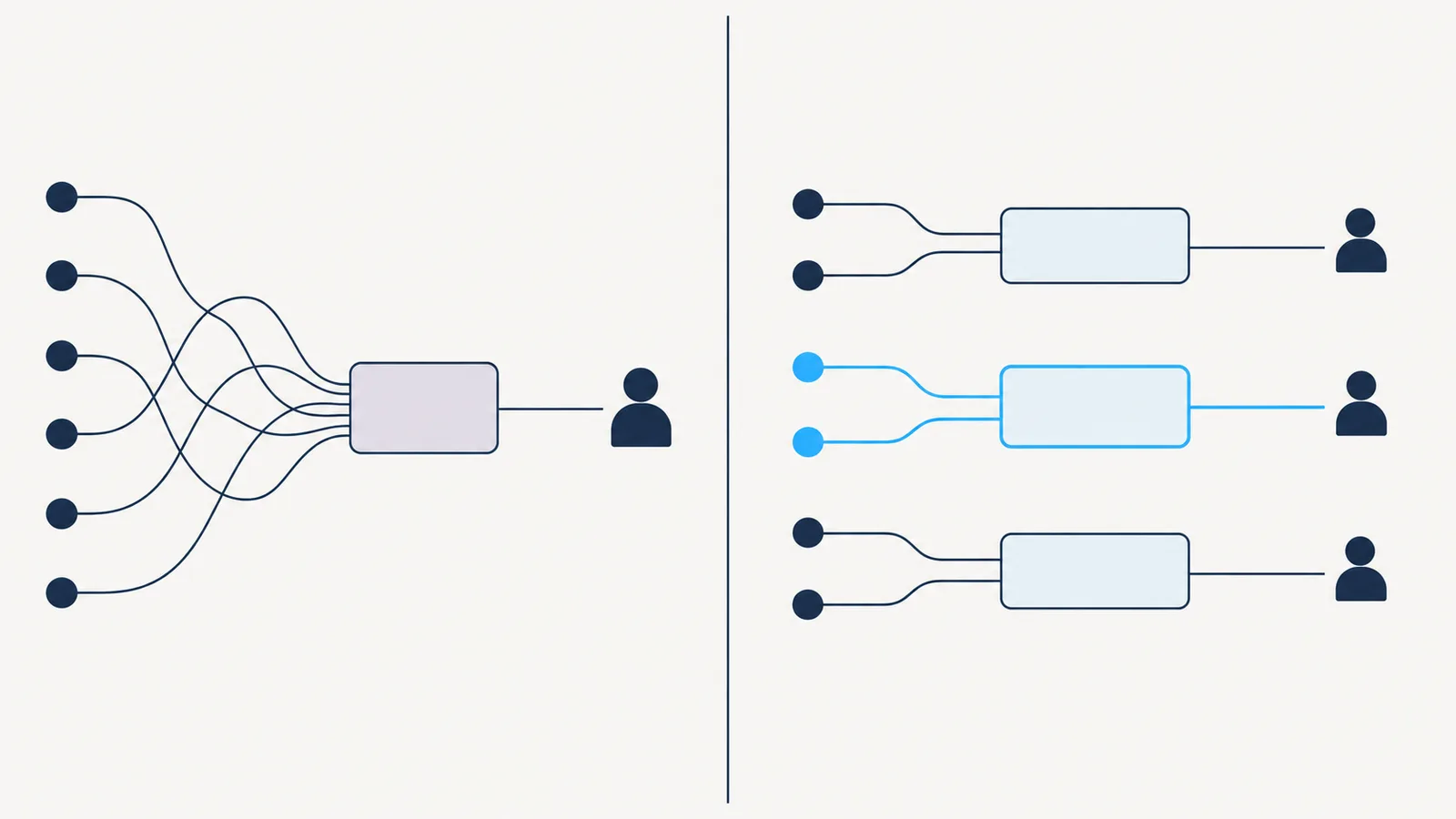
Slow callbacks were blamed on incomplete form data. Contact-centre visits instead showed differently labelled enquiries converging into one queue; banker research showed product labels did not signal the expertise required. Staff reconstructed customer need after submission and redirected wrongly categorised work.
I mapped the customer’s choice through contact-centre handling to the banker conversation. Our question changed from ‘What else should the form ask?’ to ‘What minimum evidence gets this need to the right banker?’ Routing quality replaced data volume as the goal.
We designed form, triage and callback as one service. Three need-based lanes ended with suitable banker types; product remained relevant but stopped being the customer’s first routing decision.
04
What I did, and what I chose not to do
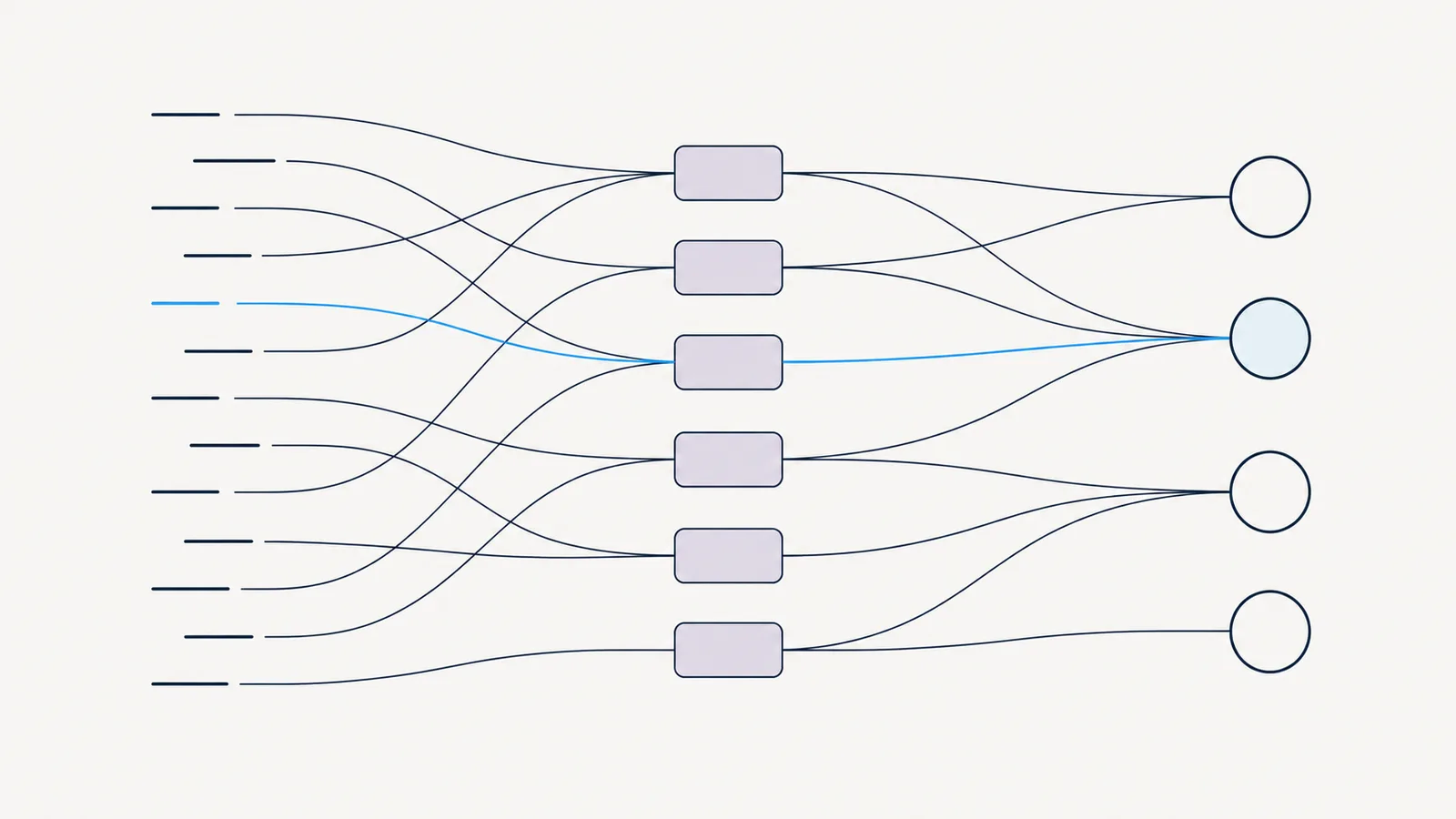
I traced what staff read, inferred and corrected at each handoff, then tested which details changed banker type, helped preparation or created noise. A routing map linked customer language, operational rules and banker capability; synthetic enquiries exposed edge cases and conflicting interpretations.
I redesigned questions around intent and useful context, avoiding requests for customers to diagnose a product. Three lanes showed why a route was suggested and carried context to bankers. We checked customer confirmation, operational queue and banker lead view against the same logic from submission to callback.
I did not remove human triage because ambiguous circumstances still required judgement. We also deferred banker workload allocation: workforce planning sat outside our remit and would have delayed routing improvement.
05
How I brought people with me
Field evidence brought all three service parts into one conversation. Contact-centre specialists corrected hidden steps; bankers marked where leads became actionable, uncertain or unsuitable. In a joint playback, product, operations and bankers walked synthetic enquiries through both paths and agreed three lanes, minimum evidence and where judgement remained.
The business analyst and engineers translated decisions into rules and dependencies. I kept customer language, operational categories and banker outcomes together. For edge cases, we added a field only when its answer changed the route, keeping additions accountable to a service outcome.
“The form was only the front door. The delay was in deciding where the customer belonged after they entered.”
06
What changed
Customer callback fell from two days to half a day. Need-based routes contributed, although performance also depended on operational capacity beyond design. Measured banker lead triage fell from three days to half a day because leads arrived organised around customer need.
The routing model connected public enquiry to banker capability, making successful routing more useful than form completion. Interface, contact-centre operation and banker handling became one design scope; this was observed in release decisions, but use beyond this journey was not measured.
- CustomerMeasured
- Customer callback time fell from two days to half a day.
- EmployeeMeasured
- Banker lead triage fell from three days to half a day.
- BusinessObserved
- The enquiry form, contact-centre triage and banker callback were released as one need-based routing service.
07
What I carry forward
The form, queue and callback are one service, measured by whether need reaches the right person first time. Routing quality cut callback and triage from days to half a day. I now map enquiries end to end, agree routing measures with operations before concepts, and review redirected cases after release.