COVID-19 Business HubNSW Government · 2020 – 2021 · 5 min read
Giving NSW businesses one place to look during a pandemic
Led the business and employers stream of the NSW COVID-19 response site, including QR check-in with Service NSW.
Role card
- Project
- COVID-19 Business Hub
- Role
- UX Lead
- Stage
- Lead
- Organisation
- NSW Government
- Sector
- Government
- Duration
- 2020 – 2021
- Themes
- Shaping decisions, not just solutions; Making complexity legible
In sixty seconds
Situation
NSW businesses needed one reliable place to understand COVID-19 rules that changed, sometimes weekly. Public health orders had to work for a café owner checking obligations at 6am.
Reframe
We stopped publishing around orders and answered what each business type needed to do. I connected business types to restrictions, support and actions so changes were traceable.
Outcome
The Business Hub became the business stream of the state’s authoritative COVID-19 site and connected Service NSW QR check-in. Clearer access and repeat use were observed, not measured.
Ask Orko about this studySite guide
Short, scripted answers drawn from this page. Pick a question to open them.
Team and scope
Team
Me as UX Lead with a small design and content team; policy, legal, communications, publishing and Service NSW partners.
Scope
I owned experience and design direction and shared journey decisions with partners. I did not own public health policy, legal approval, communications strategy or Service NSW check-in.
Confidentiality
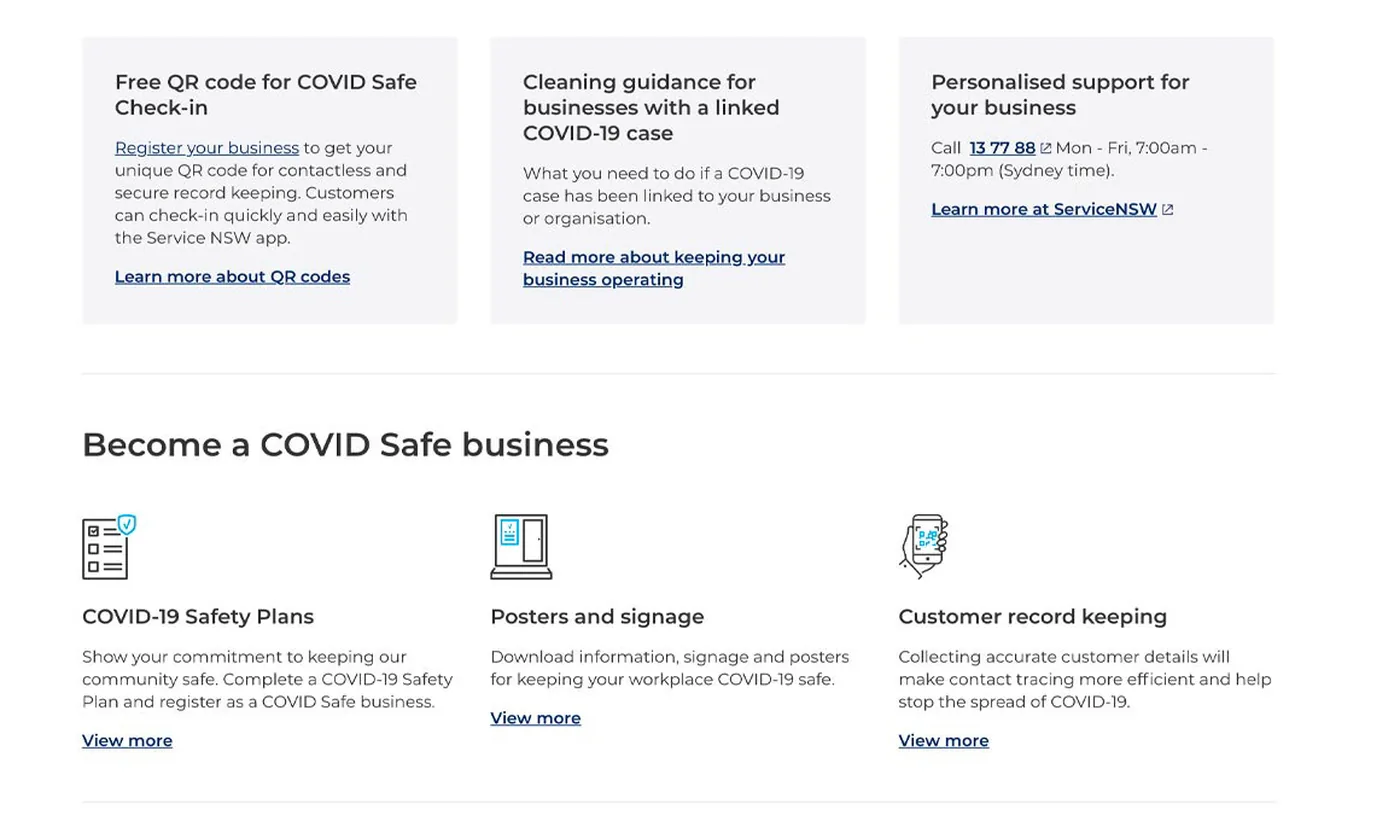
The content model and working practices are recreated from the project; policy detail, internal discussions and production material are not shown. The page crop is from the public site as published in December 2020; the live site has since changed.
01
The situation and the stakes
During 2020 and 2021, nsw.gov.au/covid-19 was the state’s authoritative source for COVID-19 information. Businesses used it to decide whether they could open, how to operate and what records to keep. A wrong or late interpretation could affect staff, customers and public health.
Readers needed a current action, not government structure. Rules varied by business type, region and local government area, and sometimes changed weekly. The service had to publish quickly without making today’s obligation easy to miss.
02
Why it was hard
Public health orders were legally exact, not written for hurried operational decisions. Clauses interacted, exceptions mattered and ordinary words could have a specific legal meaning. We could simplify the route to an answer, but not remove the condition that made it correct.
The work crossed policy, legal, Service NSW, communications and digital publishing, with decisions sometimes required within hours. Service NSW’s COVID Safe check-in became mandatory for many business types in late 2020, adding registration and setup beyond the website.
03
The reframe
Publishing orders accurately and quickly did not answer: ‘What does my business need to do today?’ Questions began with a business type and action: opening, restrictions, check-in or support. Legal structure was not a usable information structure.
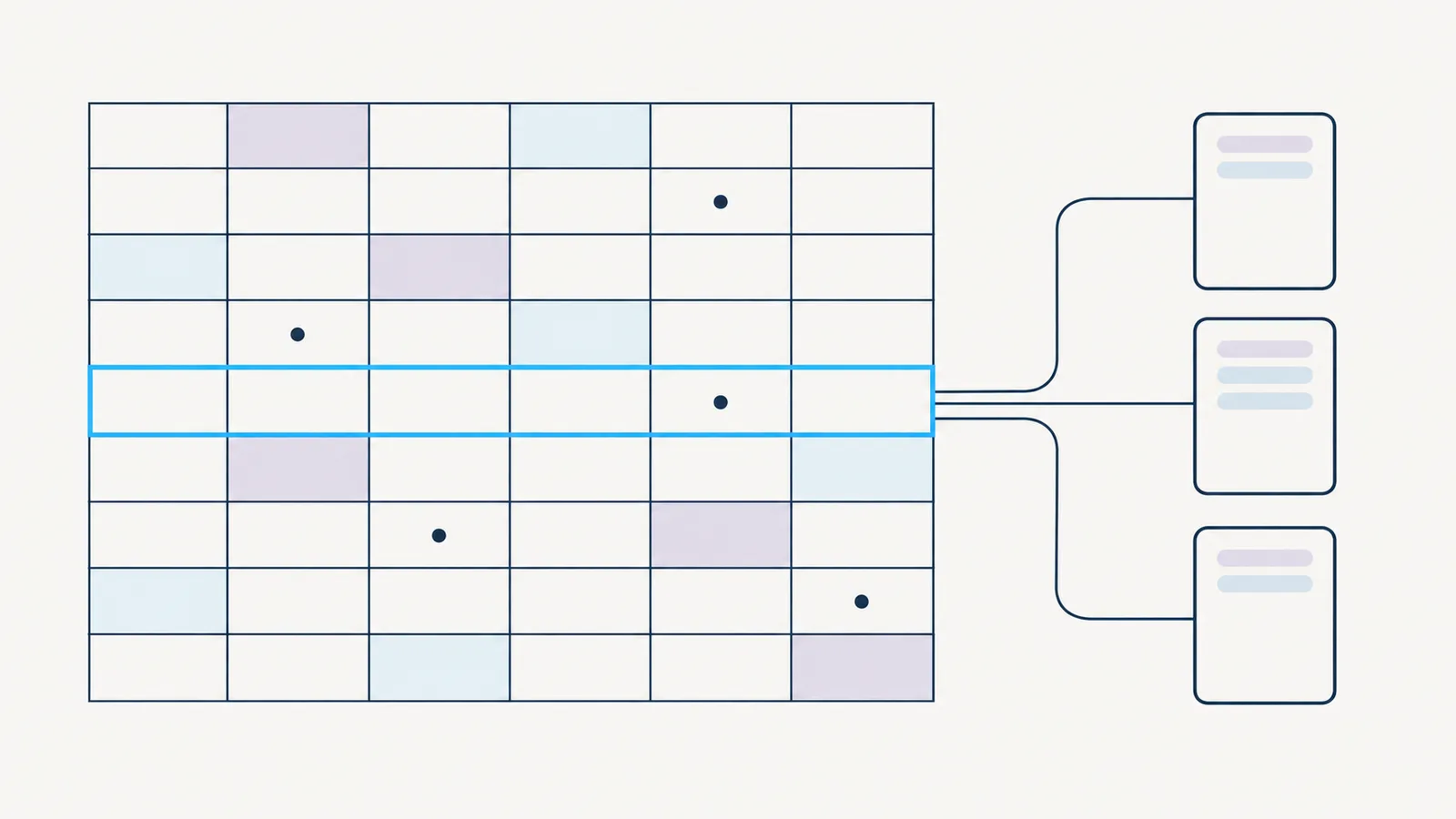
I reframed the service around business type and need. Business types ran across a matrix; restrictions, operating requirements, check-in and support ran down it. Each policy change became traceable to affected cells.
The model changed navigation and publishing without interpreting policy itself. Businesses could scan relevant categories, while the team could expose gaps, overlaps and cross-cutting obligations before release.

04
What I did, and what I chose not to do
I made every page lead with the current action, followed by conditions, exceptions and source. Plain headings used business questions while preserving legal meaning. Content and design stayed together because separating structure from wording would recreate the problem.
I shaped the Business Hub matrix as change control. For each update, we identified affected business types, restrictions, support and shared obligations, giving policy, legal and publishing partners one review object. With Service NSW, we connected check-in applicability to registration and setup across organisational ownership.
I did not build a personalised rules calculator. Rapid policy change, location conditions and legal exceptions made answers difficult to assure and maintain. We chose a reviewable source and deferred personalisation until rules and data could support it safely.
05
How I brought people with me
I organised reviews around release decisions. Policy confirmed intent, legal checked necessary conditions, communications tested public reading and publishing identified safe changes within the release window.
Service NSW owned check-in registration and operations. We agreed where nsw.gov.au ended, what context crossed the handoff and where changing setup instructions lived. I assigned the team questions rather than pages, bringing ambiguities back to the model for decisions within hours without skipping scrutiny.
06
What changed
Businesses had one state source connecting restrictions, operating guidance, support and QR check-in around action rather than an order. The structure supported repeated access as rules changed, observed without a confirmed usage metric.
The model made weekly publishing impact visible before pages changed, an observed operating improvement rather than a measured release-time reduction. The shipped QR check-in journey connected applicability to Service NSW registration and setup; its effect on compliance is not attributed here.
- CustomerObserved
- Businesses had one state source connecting current restrictions, operating guidance, support and the Service NSW QR check-in journey.
- EmployeeObserved
- The matrix gave policy, legal, communications and publishing partners a repeatable way to assess which content a rule change affected.
- OrganisationObserved
- The business stream and Service NSW check-in service were presented as one journey while retaining clear ownership across agencies.
07
What I carry forward
When rules change weekly, the content model matters more than any page. Organising guidance around business type and need gave each change a known cell and answered the reader's question before the order's language. I now start services under pressure with a traceable model carrying sources and expiry conditions.