NSW Digital Design SystemNSW Government · 2019 – 2020 · 3 min read
Testing a design system against real citizens, not just designers
More than ten patterns researched, tested and validated for the NSW Digital Design System.
Role card
- Project
- NSW Digital Design System
- Role
- Senior UX/UI Designer
- Stage
- Senior
- Organisation
- NSW Government
- Sector
- Government
- Duration
- 2019 – 2020
- Themes
- Scaling design beyond myself
In sixty seconds
Situation
The NSW Digital Design System needed patterns that worked across government services, not just for designers. Reuse could spread confusion as easily as consistency.
Reframe
Citizens, not designer agreement, became the release test. Research across real service tasks showed where familiar internal conventions failed to produce clear public behaviour.
Outcome
I designed and validated more than ten patterns. Citizen evidence determined which shipped, were revised or remained guidance rather than a rigid standard.
Ask Orko about this studySite guide
Short, scripted answers drawn from this page. Pick a question to open them.
Team and scope
Team
Me as Senior UX/UI Designer with design-system, research, content and government service partners.
Scope
I owned assigned pattern design and validation, and shared release recommendations and guidance. I did not own the system roadmap, agency implementation or each service team’s release decision.
Confidentiality
The test board is recreated and pattern-level findings are generalised; no participant data or unpublished government material is shown.
01
The situation and the stakes
The NSW Digital Design System gave teams reusable foundations for public services. Each pattern could influence many journeys, so a weak convention would not remain a local design problem. It could make important citizen tasks harder across multiple agencies.
Consistency was valuable, but not the goal itself. The system needed clear, reusable direction without forcing unlike citizen tasks into the same interaction simply because a pattern already existed in the library.
02
The reframe
Agreement among experienced designers was not enough to establish a pattern. Reviews revealed implementation concerns, but could not show whether citizens understood the resulting task. Internal familiarity risked being mistaken for public clarity.
We made citizen testing the release threshold. I took patterns into realistic service tasks, observed where people hesitated or misread the next action, then returned that evidence to the system team. Patterns progressed because citizens could use them, not because they looked settled in a library.
03
What I did, and what I chose not to do
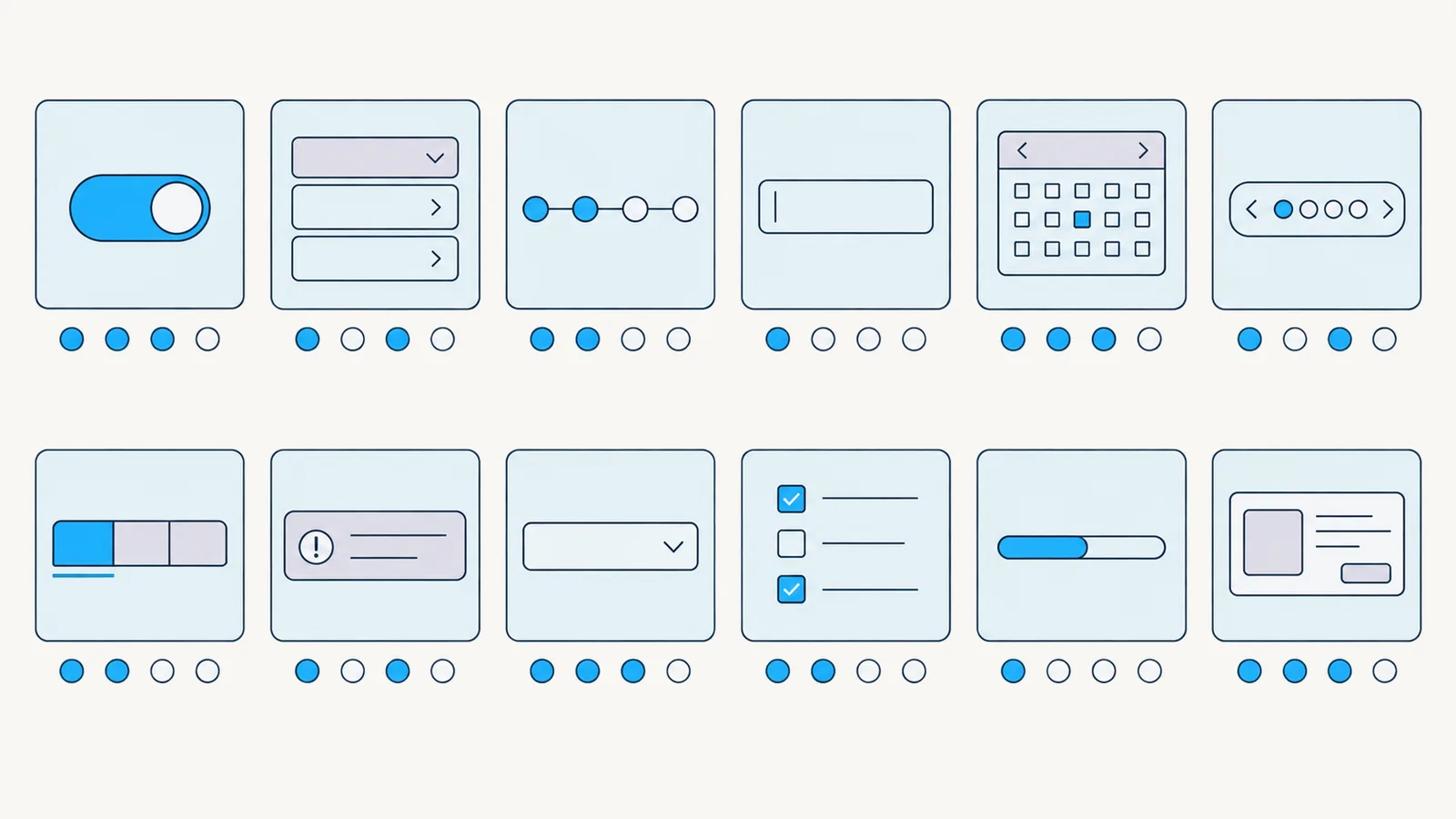
I designed and validated more than ten patterns, moving between interaction detail and conditions for reuse. Tests focused on comprehension, next action and recovery rather than preference. Findings were recorded against decisions so later teams understood why the guidance existed.
Evidence changed what we shipped. Patterns that worked across tasks progressed with usage guidance; those with recurring hesitation were revised and tested again. When behaviour depended strongly on service context, we documented the choice rather than pretending one arrangement was universal.
I did not standardise every variation we encountered. Some differences carried policy meaning or reflected task risk, which absorbing them into one component would hide. We deferred those cases until more services could provide evidence for a safe shared rule.
04
What changed
More than ten patterns were researched, tested and validated for the NSW Digital Design System. Citizen evidence joined design review and implementation needs in release decisions; unsupported patterns were revised rather than gaining authority through repetition.
Service teams received guidance on when a pattern applied, what testing supported and where judgement remained necessary. This made the limits of reuse explicit rather than leaving each team to infer them from the component. The broader effect on service completion was not measured.
- CustomerObserved
- Citizen testing determined whether patterns progressed, were revised or remained conditional guidance.
- OrganisationObserved
- More than ten patterns were researched, tested and validated for reuse in the NSW Digital Design System.
05
What I carry forward
A reusable pattern ships when people outside the team can use it, not when the team agrees it looks right. Real service tasks exposed where internal convention and public clarity parted ways. I now capture evidence consistently from the first test, so patterns can be compared and revisited as services change.