Births, Deaths and MarriagesNSW Government · 2019 · 3 min read
Turning agency workshops into a product vision for nsw.gov.au
Stakeholder and SME workshops whose findings became the product vision for moving the Registry into nsw.gov.au, the first agency to make the move.
Role card
- Project
- Births, Deaths and Marriages
- Role
- Senior UX/UI Designer
- Stage
- Senior
- Organisation
- NSW Government
- Sector
- Government
- Duration
- 2019
- Themes
- Shaping decisions, not just solutions; Making complexity legible
In sixty seconds
Situation
The Registry of Births, Deaths and Marriages was the first agency website moving into nsw.gov.au. Its outdated site was difficult to update and navigate.
Reframe
I organised the opening workshops around customer tasks, turning specialist views into one product vision for understandable services and maintainable publishing.
Outcome
Research, co-design and testing shaped new journeys and the CMS build. The Registry moved first; service and content-management outcomes were not measured.
Ask Orko about this studySite guide
Short, scripted answers drawn from this page. Pick a question to open them.
Team and scope
Team
Me as Senior UX/UI Designer with Registry operations, legal, policy, contact-centre, content, DCS product and subject-matter specialists.
Scope
I owned workshops, synthesis, experience direction, journeys, prototypes and testing, and shared the CMS build. I did not own Registry policy, the platform or OneCX’s consolidation decision.
Confidentiality
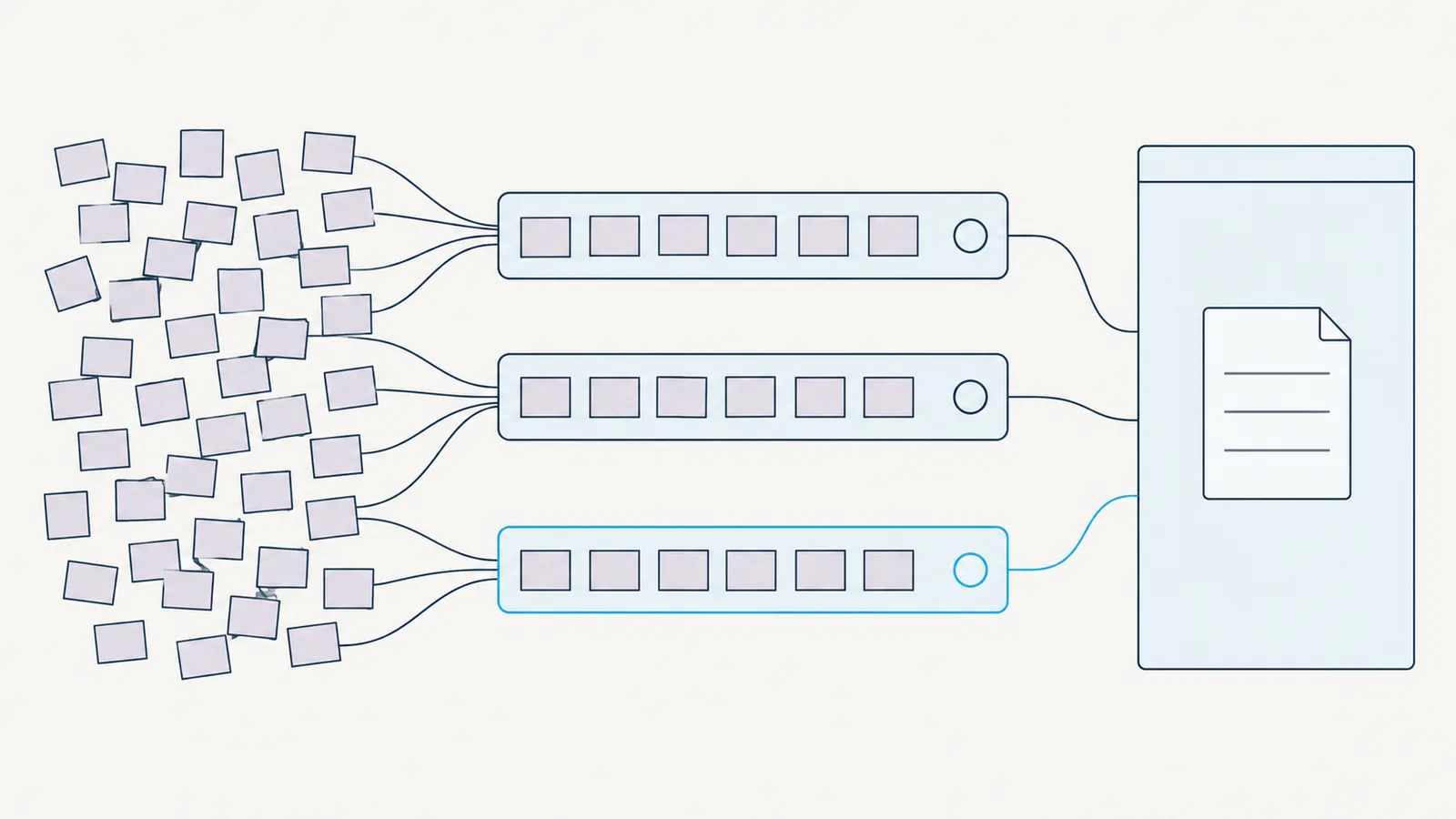
The synthesis map is recreated and workshop findings, participant groups and service details are generalised; no research participant data or unpublished government material is shown.
01
The situation and the stakes
The Registry supports personal and administrative moments: recording a birth or death, arranging a marriage, changing a name and ordering certificates. People needed to understand the evidence required and enter the right transaction.
The outdated bdm.nsw.gov.au site was hard to update and inconsistent with other NSW Government sites. As the first agency moving into nsw.gov.au, it tested whether consolidation could improve a service rather than relocate pages.
02
Why it was hard
The content carried policy, legal and operational meaning, not just words. Registry operations knew exceptions, policy specialists the rules, the contact centre the sticking points, and content and product teams the new platform; no view covered the whole customer task.
A page-for-page move would preserve findability problems and old assumptions. Yet changing a journey without the relevant specialist could omit an important requirement.
03
The reframe
I organised initial stakeholder workshops around customer tasks, not the old site. We synthesised questions, constraints and failure points into three themes: what people were doing, what they needed before acting, and what the Registry needed to maintain.
The resulting product vision connected understandable information to complete transactions. It used shared nsw.gov.au patterns and a structure the Registry team could manage, rather than transferring content into a larger site.
04
What I did, and what I chose not to do
I worked with the department on user research and mapped current-state journeys with pain and gain points. Separating content and navigation problems from policy and transaction requirements clarified what could change.
I co-designed new journeys with subject-matter experts, then wireframed, prototyped and tested them with users. The content design team and I built the agreed CMS structure, checking it against tested journeys rather than treating the prototype as a hand-off.
I did not redesign Registry policy, promise to remove every transaction constraint or create agency-specific patterns. We used shared nsw.gov.au patterns and focused on structure, comprehension and continuity into transactions.
05
How I brought people with me
Workshops placed operations, policy, contact-centre, content and product evidence against one journey. Specialists could challenge assumptions and see how another team’s constraint affected customers.
I returned successive versions to the service owners. Current-state maps established the problem, co-design created options, prototypes made direction concrete and user testing supplied evidence for iteration.
06
What changed
The Registry became the first agency in nsw.gov.au. Its services used clearer information and routes into online transactions rather than copying the former site.
The committed goals were understandable Registry information, efficient online transactions and content managed with greater knowledge of user behaviour. These were not quantified results; no completion, comprehension or publishing metrics are available.
- CustomerObserved
- Registry information and online transactions were reorganised around clearer customer journeys in nsw.gov.au.
- EmployeeCommitted
- The Registry team committed to managing content with a greater understanding of user behaviour.
- OrganisationObserved
- Births, Deaths and Marriages became the first agency website consolidated into nsw.gov.au.
07
What I carry forward
A consolidation first needs a shared account of the service, not a new structure. Combining operational, policy and customer evidence showed what had to remain and what could improve. I carried that into later OneCX work: expose readiness and constraints early, then improve the service rather than preserve the replaced site.