JXT recruitment platformJXT Global · 2018 – 2019 · 3 min read
Leading a design team across two time zones to one quality bar
Onshore and offshore designers working to one release standard, the platform's first design system, and future-state concepts put in front of leadership.
Role card
- Project
- JXT recruitment platform
- Role
- Lead Product Designer
- Stage
- Lead
- Organisation
- JXT Global
- Sector
- SaaS
- Duration
- 2018 – 2019
- Themes
- Scaling design beyond myself; Shaping decisions, not just solutions
In sixty seconds
Situation
JXT Global’s recruitment SaaS team worked across Sydney and an offshore time zone. I held the release quality bar, but late review created delays and inconsistency.
Reframe
I replaced final inspection with a written quality bar, the platform’s first design system and review on the first screen, not the last.
Outcome
Designers shared one release standard and component library. Next and JobX concepts gave leadership concrete options; the effect was observed, not measured.
Ask Orko about this studySite guide
Short, scripted answers drawn from this page. Pick a question to open them.
Team and scope
Team
Me as Lead Product Designer with onshore and offshore product designers, product managers, engineers and client-facing account staff.
Scope
I owned the design quality bar, delegation across the design team and the Next Design System, and shared roadmap decisions with product. I did not own engineering standards, client contracts, or the hiring budget.
Confidentiality
Client names, platform specifics and team details are generalised.
01
The situation and the stakes
JXT Global’s Next platform served recruitment agencies and job seekers. Client releases had to work for both, while the design team was split between Sydney and an offshore time zone.
I was accountable for release design quality. Depending on my final review turned ordinary decisions into delays and let inconsistencies reach client work.
02
Why it was hard
The time-zone gap compressed conversation into handoffs. Work reached Sydney when structural, interaction and visual choices were expensive to change; late corrections slowed releases and reduced offshore designers to responding rather than deciding.
Work also balanced customer need, business viability and technical feasibility. Account staff held client requests, product managers roadmap choices and engineers delivery constraints; an inconsistent foundation made those questions harder to discuss.
03
The reframe
I stopped inspecting finished offshore work and asked what designers needed to judge quality before handoff. My role shifted from correcting screens to making expectations usable.
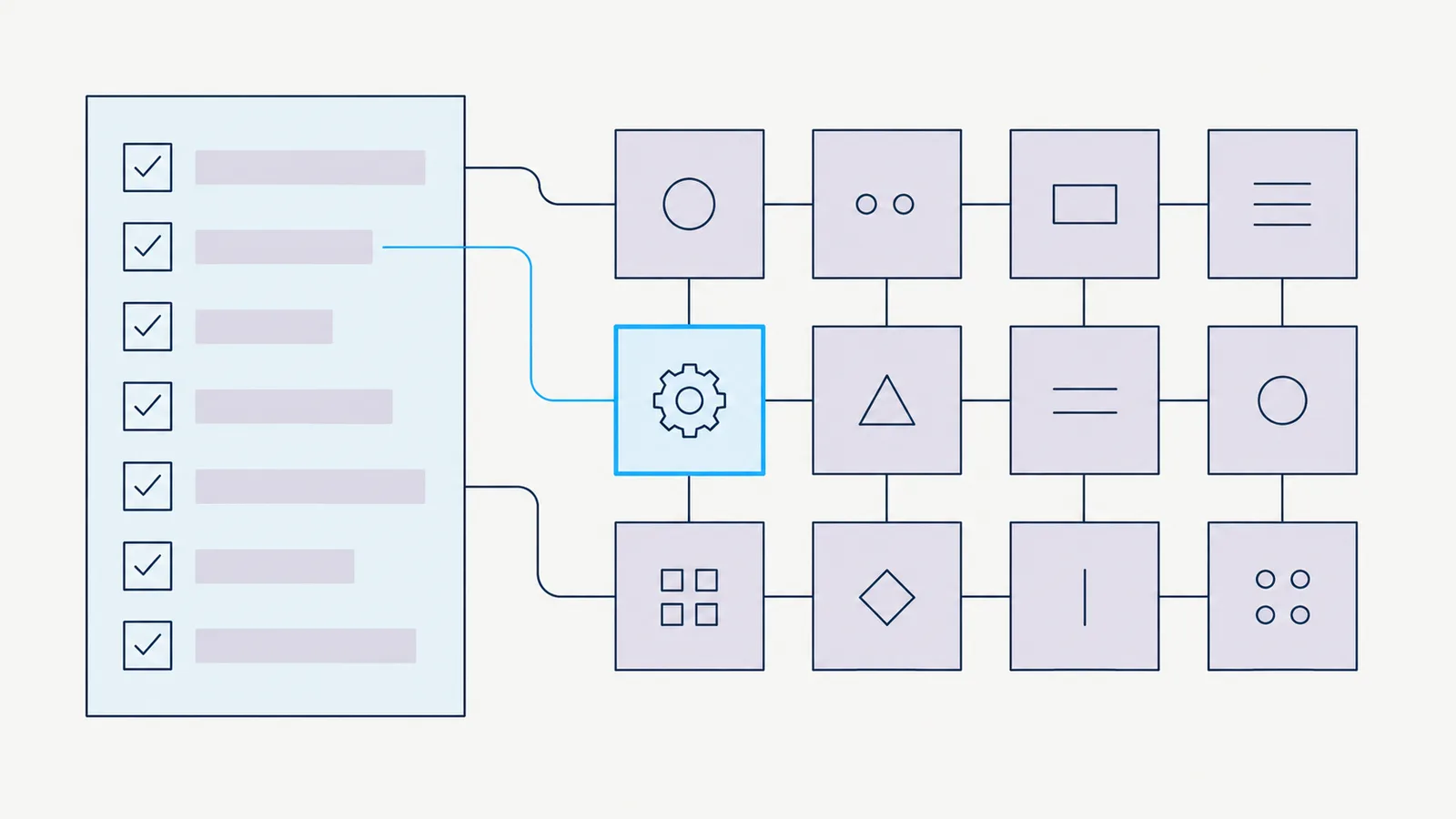
We introduced a written release bar, a linked design system and review on the first screen rather than the last. Designers could test direction early and self-check repeated decisions without waiting for Sydney.
04
What I did, and what I chose not to do
The release bar covered purpose, user need, main states, paths, consistent patterns and engineering discussion. I delegated complete work areas, not production tasks, then reviewed the first representative screen before its pattern spread.
I created the Next Design System and template library. Linked styles and elements propagated changes through source files, gave both teams one starting point and made variation a visible decision.
I also tested customer need against business and technical constraints, presenting a mobile-focused Next dashboard for job seekers and JobX mobile app concept to leadership. I did not present concepts as committed delivery or replace product and engineering judgement with the system.
05
How I brought people with me
Delegation required room for judgement. I set the outcome, paired on the first screen and stayed available for exceptions; feedback referred to the shared bar or component, not personal preference.
Product managers, engineers and client-facing account staff joined where their evidence could change the work. Future-state concepts gave leadership concrete proposals rather than abstract platform discussions.
06
What changed
Onshore and offshore designers gained one release-quality reference, linked styles and elements, and earlier review. They checked repeated decisions themselves while review focused on direction and exceptions.
The Next Design System and template library became a shared platform foundation; leadership saw Next dashboard and JobX concepts. No release-speed, defect, adoption or commercial measures exist, so I claim neither quantified improvement nor roadmap entry.
- EmployeeObserved
- Onshore and offshore designers worked from one release-quality reference, with review moved to the first representative screen.
- OrganisationObserved
- The Next Design System and template library established a shared, linked foundation for platform design.
- BusinessCommitted
- Leadership received future-state concepts for the mobile-focused Next dashboard and JobX app to assess alongside roadmap decisions.
07
What I carry forward
Quality does not scale through more final approval. I start distributed work by agreeing what good means, sharing foundations, reviewing one representative example early and leaving designers room to own the rest.